





Tourism
Ciboure,
the multi-faceted Basque village

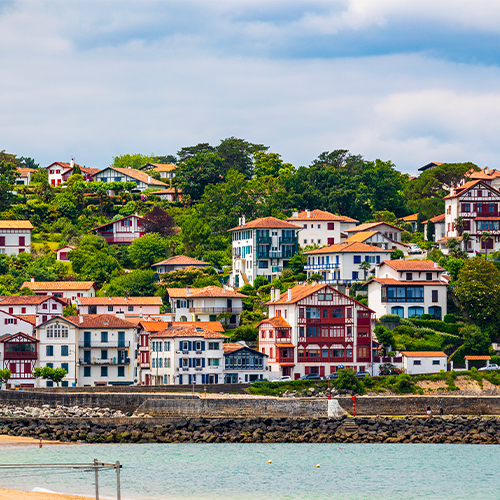
Are you staying on the Basque coast and wondering if Ciboure is worth the trip? The answer is yes! Especially since vacationers regularly praise this charming maritime town, located just across from Saint-Jean-de-Luz, on the other side of the Nivelle river.
Want to know more about this enchanting place whose Basque name, Ziburu, means bridgehead? Good news: our Basque Country campsite team has put together this short guide to help you discover the town, which can be visited in just one day!


Key takeaways
- Ciboure has nearly 6,000 inhabitants.
- The town has been resolutely focused on the sea since its creation: first as a whaling port, then as a major tuna and sardine port.
- The birthplace of composer Maurice Ravel stands on the quay that bears his name, along the Nivelle.
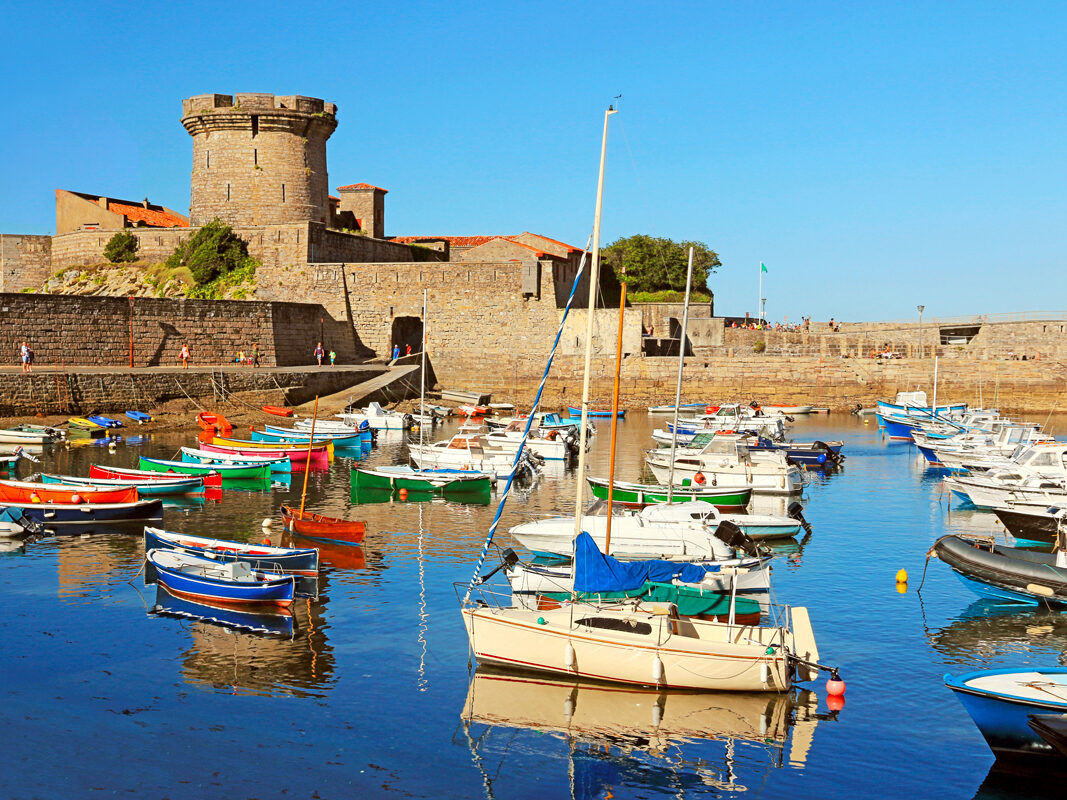
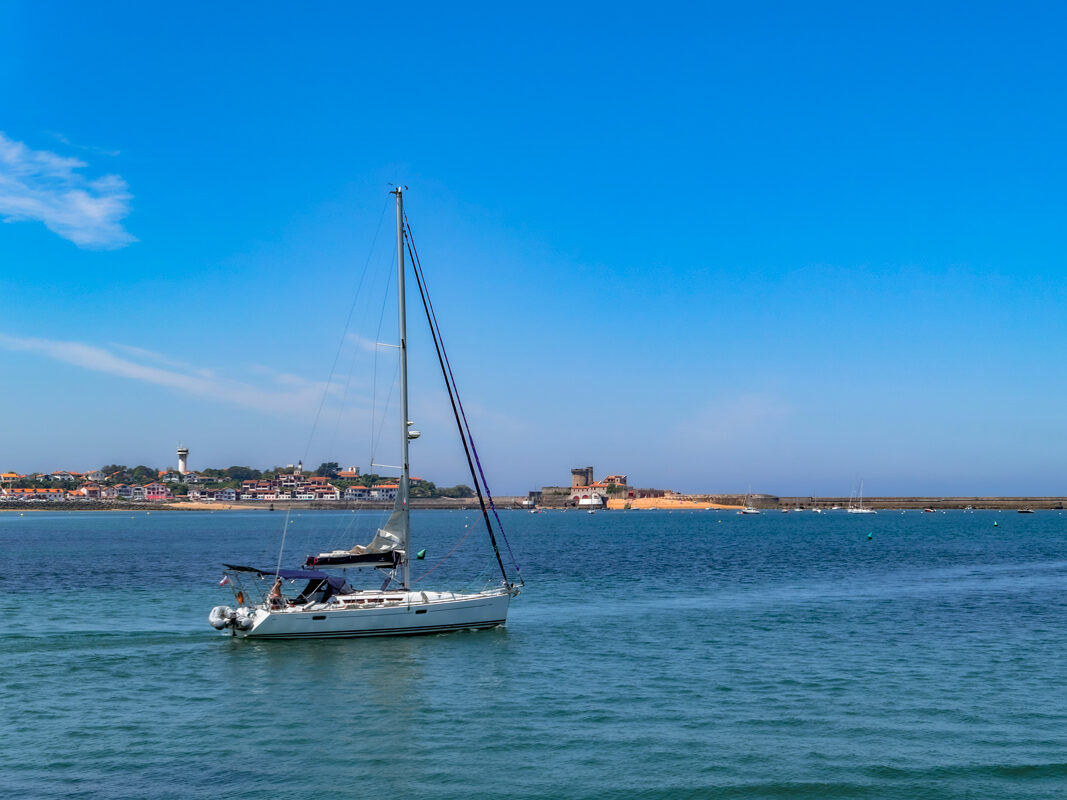
- The Socoa Fort, whose construction began in 1627 and was later remodeled by Vauban, watches over the entrance to the bay.
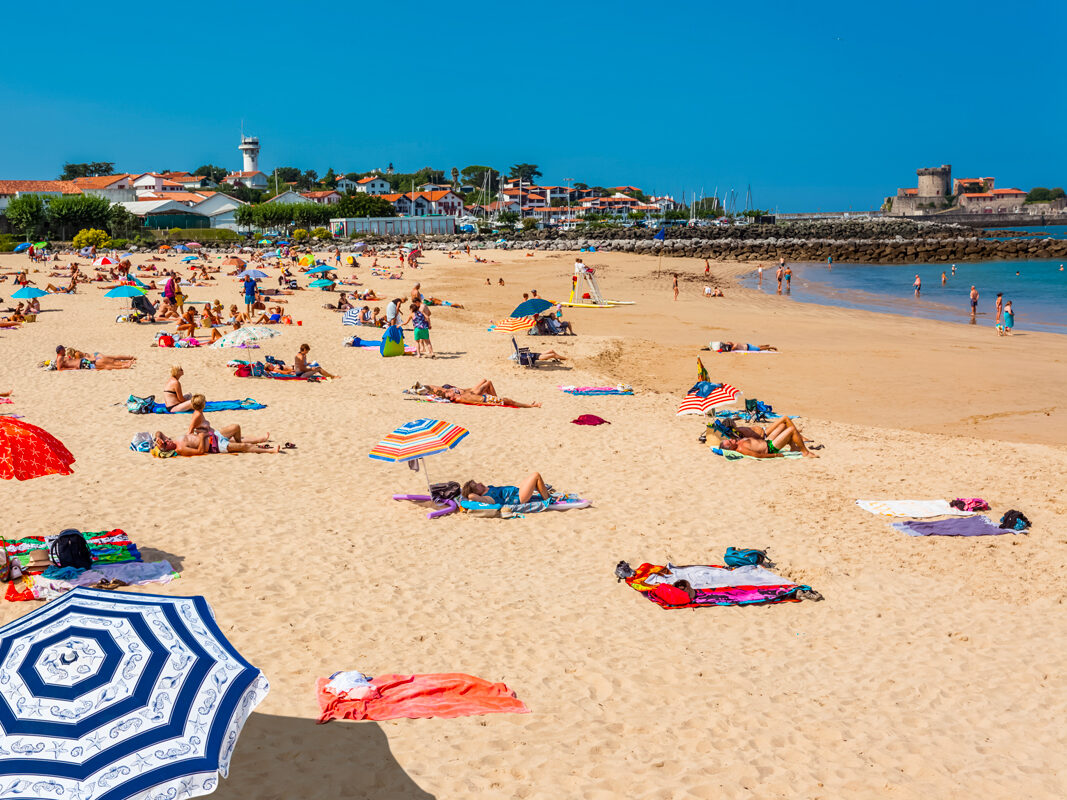
- The Socoa beach, sheltered and supervised in summer, is particularly suitable for families with young children.
- You can easily reach Ciboure from Saint-Jean-de-Luz on foot via the coastal path, by car, by bike, or by bus.

Ziburu
Ciboure
Discovering Ciboure’s heritage: Ravel, Saint-Vincent church, and Vauban fort

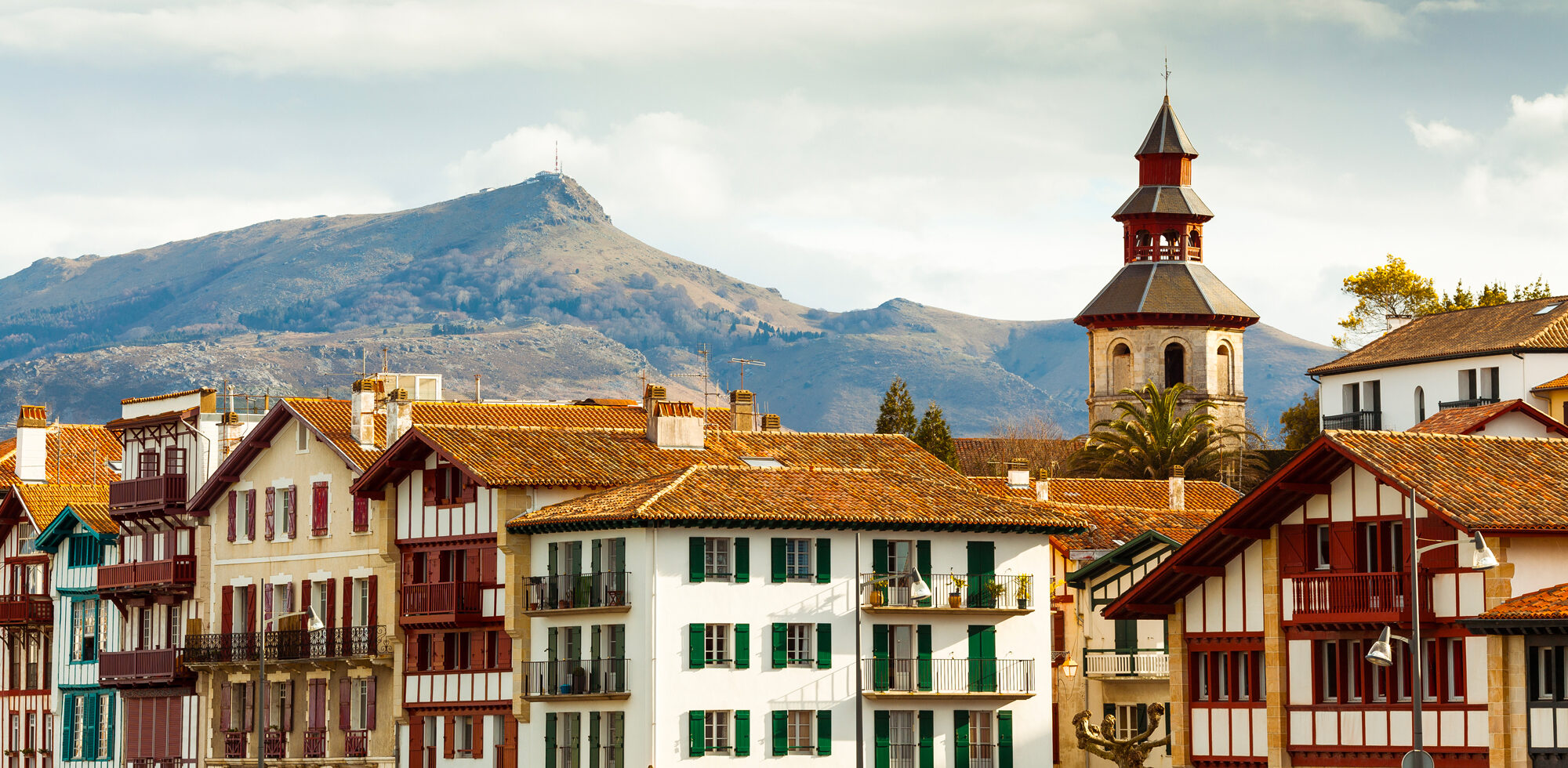
Ciboure’s heritage is concentrated between the Nivelle quay and Bordagain hill. The town owes its fame to Maurice Ravel, composer of the Boléro, born on March 7, 1875, in a Dutch-style house now occupied by the town’s tourist office.
Just a stone’s throw away, Saint-Vincent church is intriguing with its octagonal bell tower, rare in the Basque Country, and its wooden galleries, in a church listed as a historical monument.
Several sites are worth a detour during your visit:
- The birthplace of Maurice Ravel, on the quay bearing his name, also houses the Ravel International Academy of Music.
- Nearby, Saint-Vincent church reveals an octagonal bell tower and wooden galleries supported by a maritime-style frame.
- Built starting in 1627, the Socoa Fort watches over the entrance to the bay and can be explored from the outside.
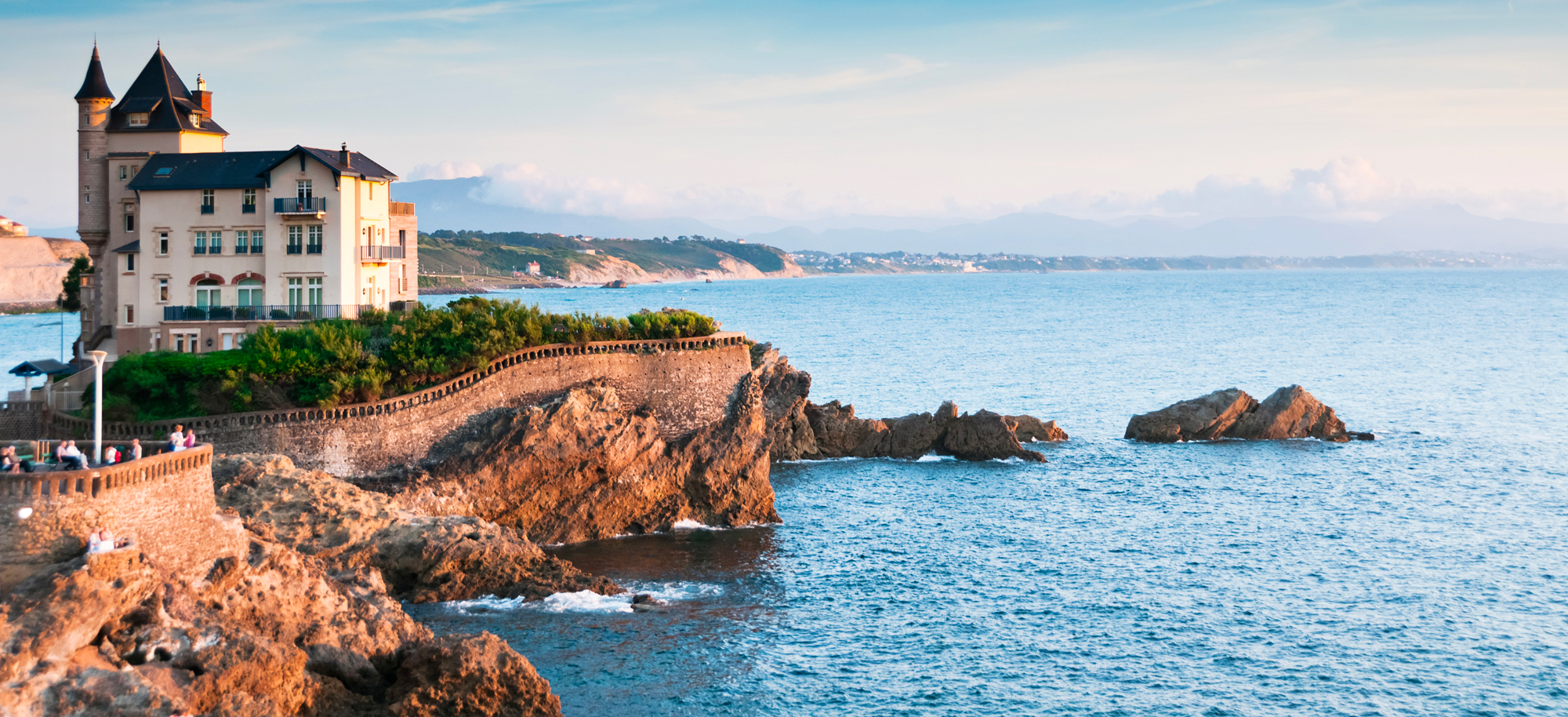
- Perched on Bordagain hill, Villa Leihorra illustrates the Art Deco architecture of the 1920s.
Swimming and water sports in Socoa

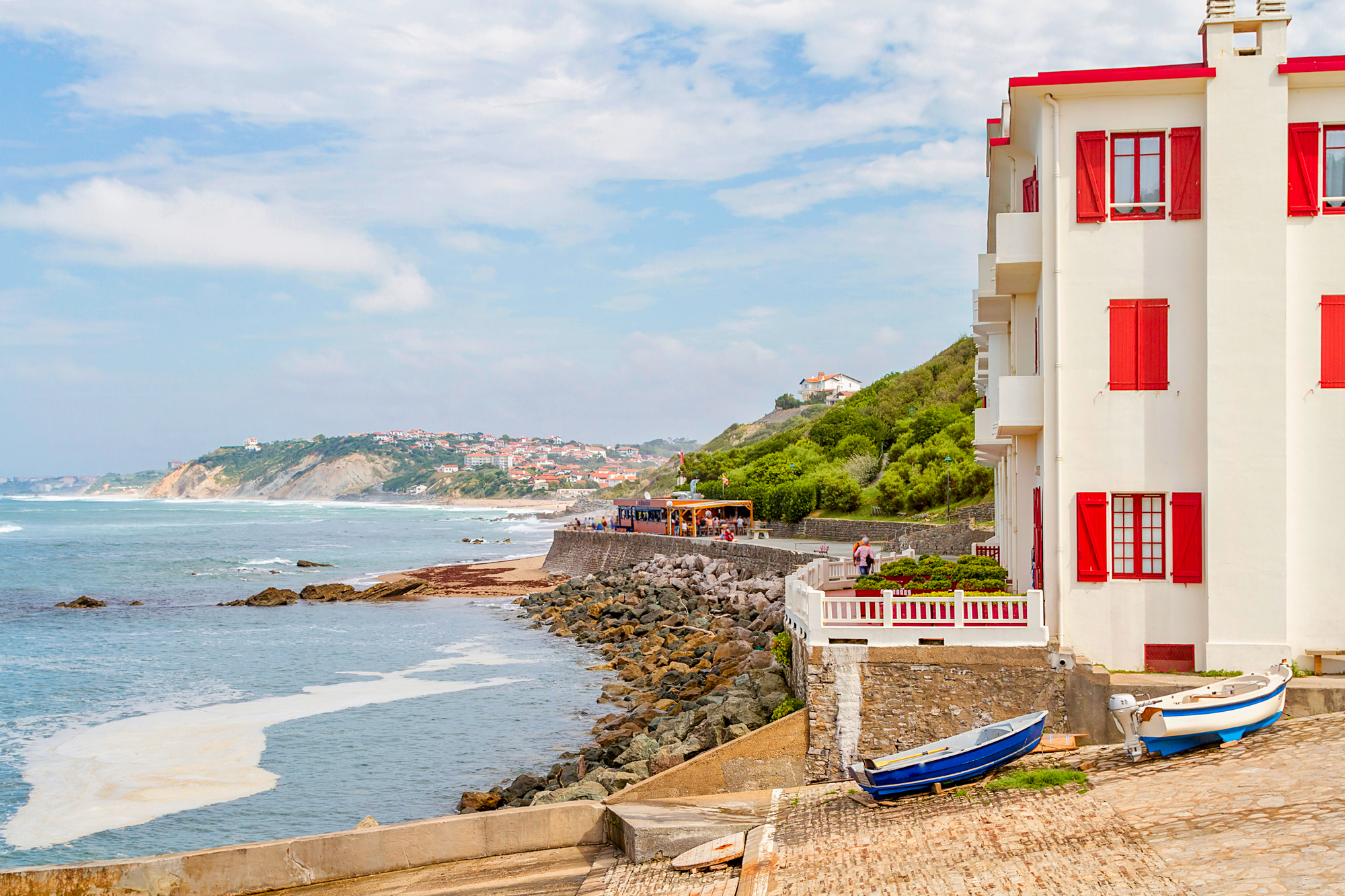
For swimming, Ciboure relies on Socoa beach, a cove sheltered by the sea wall and the fort, where waves remain small and lifeguards are on duty in summer.
This reassuring spot makes it a favorite place for families with young children. Right next to it, Fort beach extends the seafront along the promenade.
Thrill-seekers will find a wide choice of activities in Socoa. The water is perfect for many activities:
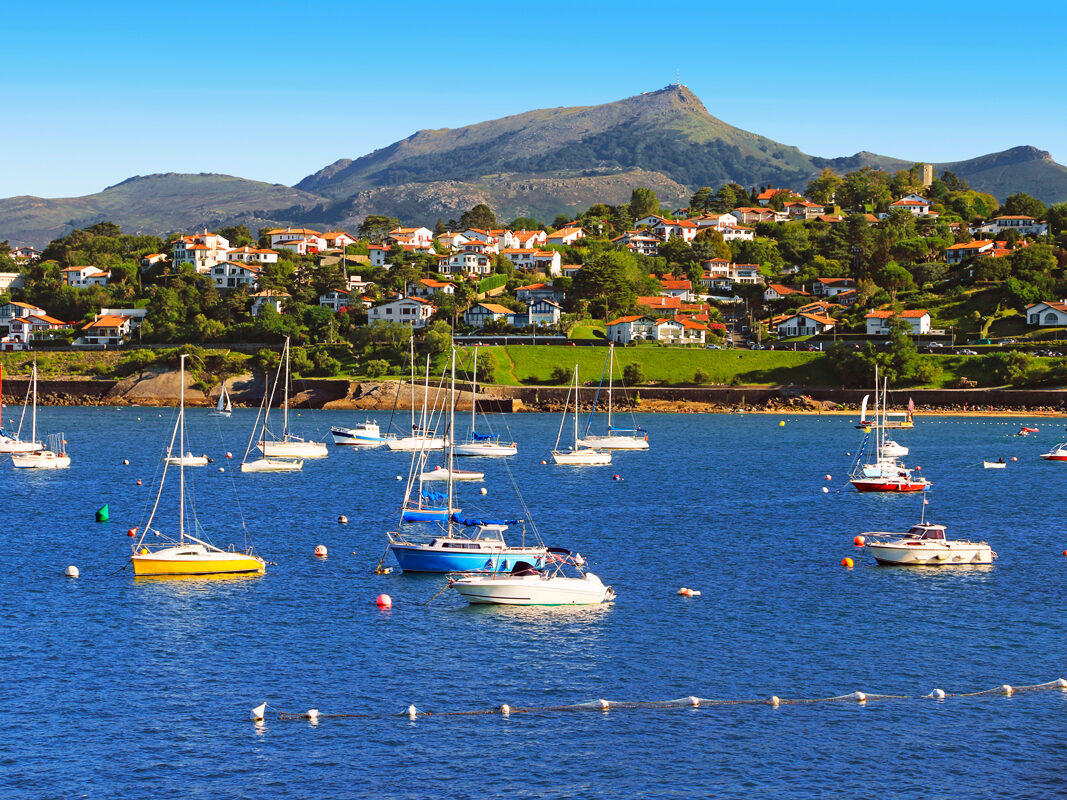
- Sailing and kayaking can be discovered departing from Socoa port, supervised by local clubs.
- Below the surface, diving provides access to the bay’s rocky seabed.
- On the coastal waves, surfing and bodyboarding are practiced just a stone’s throw from our Merko Lacarra campsite.
- At sea, boat trips run along the coast with La Rhune as a backdrop.

Taste Basque gastronomy in Ciboure: the sea on your plate
When it comes to dining, Ciboure draws the essence of its cuisine from the sea. This is because the town remains an active fishing port, renowned as one of the major tuna ports on the coast, where the fish market sells the daily catch. You can taste ttoro, a fish soup typical of the Basque coast, simmered with conger eel, red mullet, and seafood.
All around, the terraces of the quay and Socoa port are lined with tables focused on seafood, from traditional chipirons to classic seafood platters.

Good to know
“Since 2008, the Egiategia winery has been conducting an unusual winemaking process off the coast of Ciboure. Vats of grape juice descend 15 meters under the sea to ferment to the rhythm of the currents and pressure. This process, rare on a global scale, produces vintages that you can sometimes taste on-site. A curiosity to add to your gourmet discovery program.”
Take a trip to Spain from Ciboure
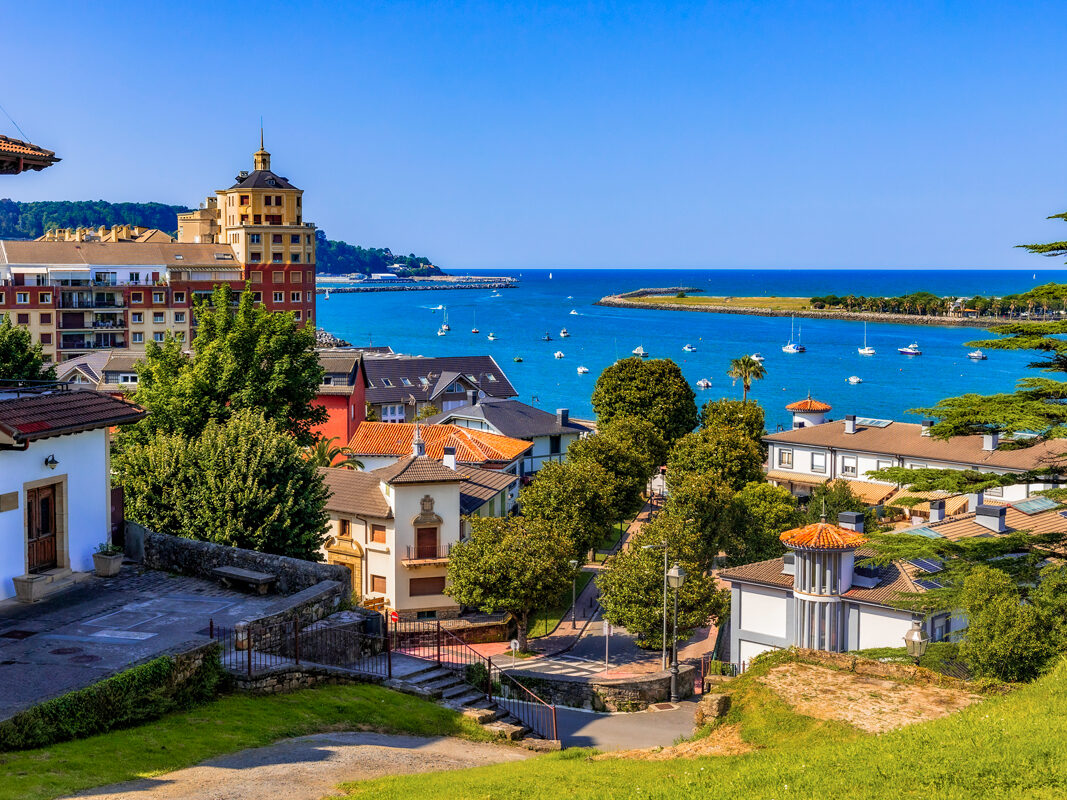
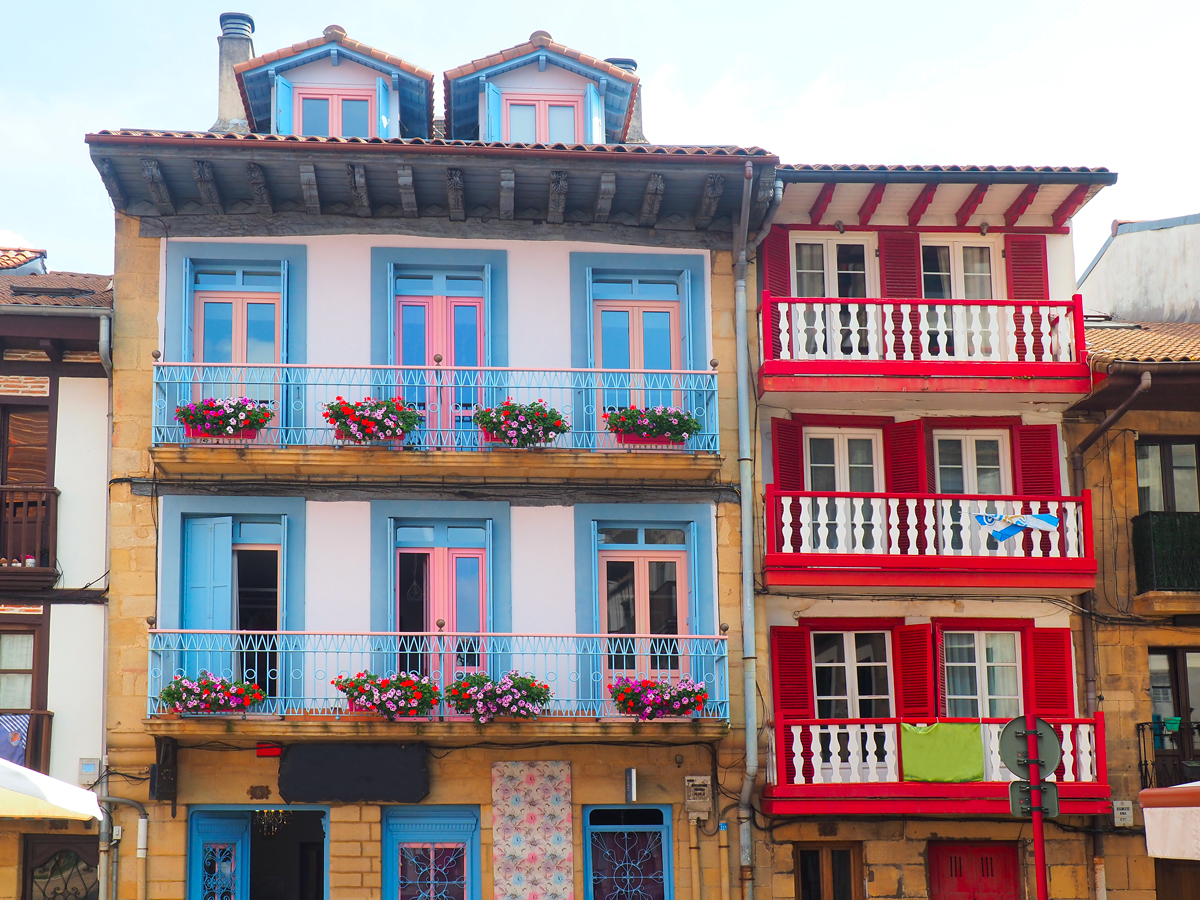
From Ciboure, Spain is very close. This is because the border runs along Txingudi Bay, near Hendaye, the last French town on the coast. On the other side of the Bidasoa river lie Hondarribia and its colorful center, Irun, then San Sebastián and its famous La Concha bay.
This border position allows you to experience both the French Basque atmosphere and Gipuzkoa tapas in the same day.
Good to know
“From Hendaye station, the Euskotren Topo line reaches San Sebastián in about 35 minutes, with a departure every 30 minutes.”
Reach Ciboure from Saint-Jean-de-Luz: on foot, by car, by bike, and by bus
Reaching Ciboure from Saint-Jean-de-Luz takes just a few minutes, as the two towns face each other across the Nivelle. The chosen mode of transport will depend on your preference for the outing. Several solutions exist:
- On foot, the coastal path links the coast to Socoa along the bay.
- By car, the road goes around the bay and serves the port and Socoa parking lots.
- By bike, the seaside cycle path allows you to get around without a car.
- By bus, the Txik Txak network serves Ciboure, with a stop at the entrance to our campsite.

A tip from Merko Lacarra campsite
“To cross the bay in an original way, our guests love to board the Le Passeur shuttle which connects Saint-Jean-de-Luz, Socoa, and the port of Ciboure from April to September,” says the Camping Merko Lacarra team. Expect to pay from €3 for the crossing, a short trip that gives a different perspective on the bay and La Rhune.”

Antton, Campsite Manager
Want to discover Ciboure and the entire bay? Settle into our campsite near Ciboure, on the coastal path and 50 meters from the beach, then book your stay to easily reach the most beautiful corners of the Basque coast.
Sources:
- Saint-Jean-de-Luz and Ciboure Tourist Office – What to see in Ciboure:
- INSEE – Complete file for the municipality of Ciboure (64189)
- Ministry of Culture, Mérimée database – Saint-Vincent Church in Ciboure
- Pyrenées-Atlantiques Tourism (Tourisme64) – Le Passeur Boat
- Euskotren – Topo Line, Hendaye–San Sebastián schedules
Would you like to see more?
Visit the region